What lowers iron levels in the blood?
Share article
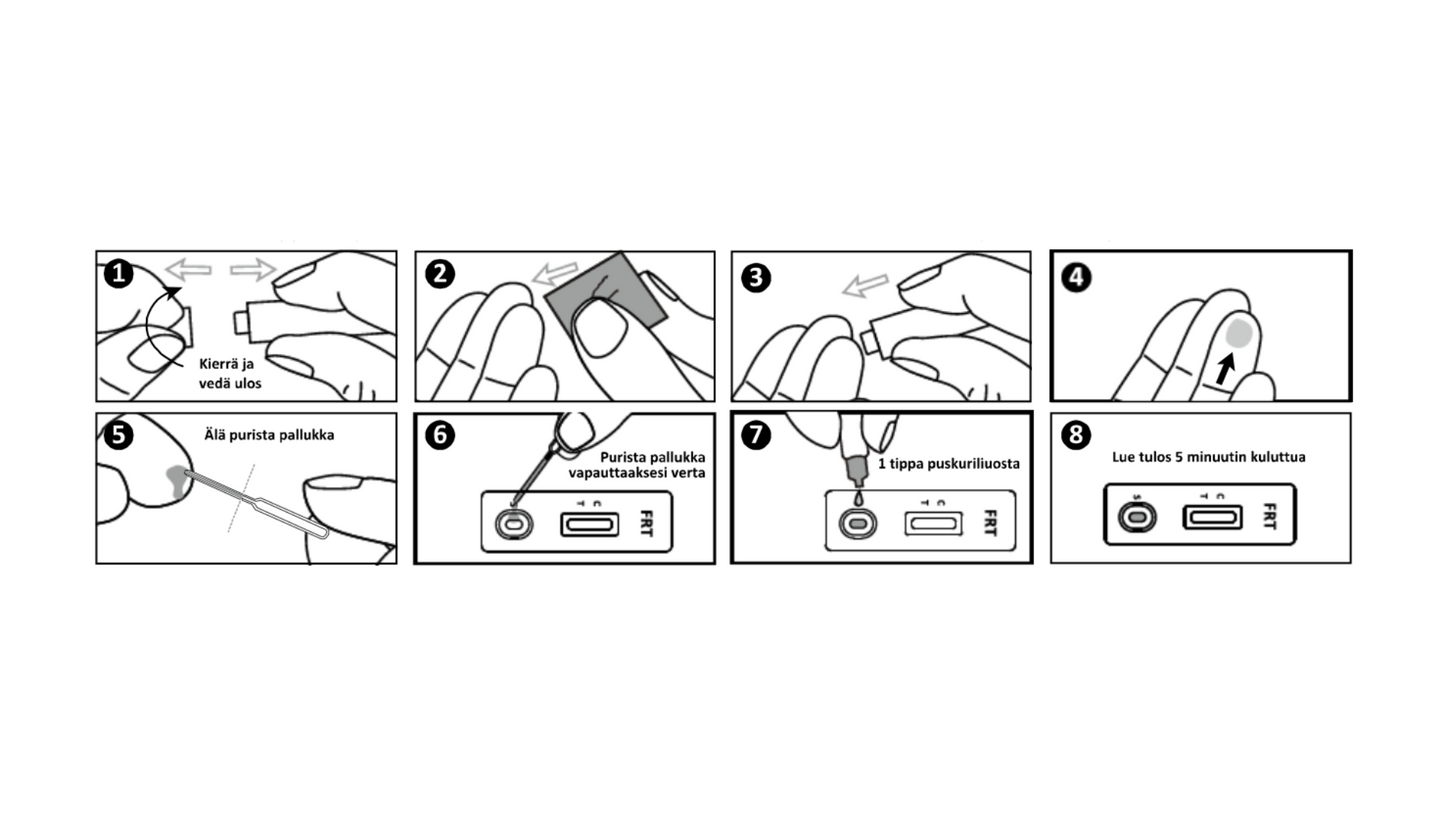
Iron is a vital nutrient that participates in many bodily functions, including oxygen transport in red blood cells and energy production. Maintaining adequate iron levels is crucial for health. However, several factors and situations can lower iron levels in the blood. Checking iron levels is easy with our home test, which provides a reliable result quickly.
In this blog post, we list a few different factors and life situations where iron deficiency may be an issue.
1. Diet does not contain enough iron
One of the most common reasons for low iron levels in the blood is insufficient iron intake from the diet. If you do not eat enough iron-rich foods, such as meat, legumes, and iron-fortified cereals, your body will not get the iron it needs. This can lead to iron deficiency and anemia.
2. Vegetarianism and veganism
Vegetarians and especially vegans are more susceptible to iron deficiency, as a plant-based diet often does not contain enough iron sources. The absorption of plant-based iron may also be weaker compared to animal-based iron sources, which can make iron intake more challenging.
3. Poor iron absorption
Even if your diet contains enough iron, it may not be absorbed effectively by the body. Certain factors, such as phytates (found in grains) and oxalates (found in spinach and broccoli), can have a negative impact on iron absorption. Testing your iron levels is easy at home with our reliable home test.
4. Pregnancy and lactation
Pregnancy and lactation can increase the need for iron, and many women experience iron deficiency precisely during these life stages. Increased blood volume and fetal growth require more iron. Therefore, pregnant women should pay special attention to iron intake and consider iron supplementation to support their diet.
5. Menstruation
Menstruation can be another common cause of iron deficiency in women. The blood lost during menstruation contains iron, and heavy or prolonged periods can increase iron loss. This can cause symptoms of anemia, such as fatigue and weakness.
6. Gastrointestinal disorders
Certain gastrointestinal diseases, such as celiac disease and inflammatory bowel diseases (e.g., Crohn's disease and ulcerative colitis), can disrupt iron absorption in the small intestine. This can lead to iron deficiency, even if enough iron is consumed through diet.
7. Gastric surgery
Gastric bypass surgery (gastric bypass or Roux-en-Y gastric bypass) can lead to iron deficiency because it affects the digestive tract's ability to absorb nutrients, including iron. After surgery, patients often need to take iron supplements to maintain iron levels.
9. Blood loss and trauma
Blood loss is a direct loss of iron and can result from accidents, surgeries, or bleeding caused by certain conditions such as hemorrhage or hemorrhoids. Chronic blood loss can deplete iron reserves in the body.
Summary
It is important to identify factors that can lower iron levels in the blood and strive to prevent iron deficiency. This may include maintaining an iron-rich diet, monitoring iron intake, using iron supplements if necessary, and consulting a healthcare professional.
Iron deficiency can cause serious health problems, such as anemia, so its prevention and treatment are paramount. You can easily test your own iron levels with our home test, or alternatively at a doctor's office.
---
The content of this publication is purely informative. It cannot under any circumstances assist or replace a doctor's diagnoses, treatments, or recommendations. For any concerns, consult a trusted professional and obtain consent before initiating any procedure.