Why it's worth regularly testing your ferritin levels
Share article
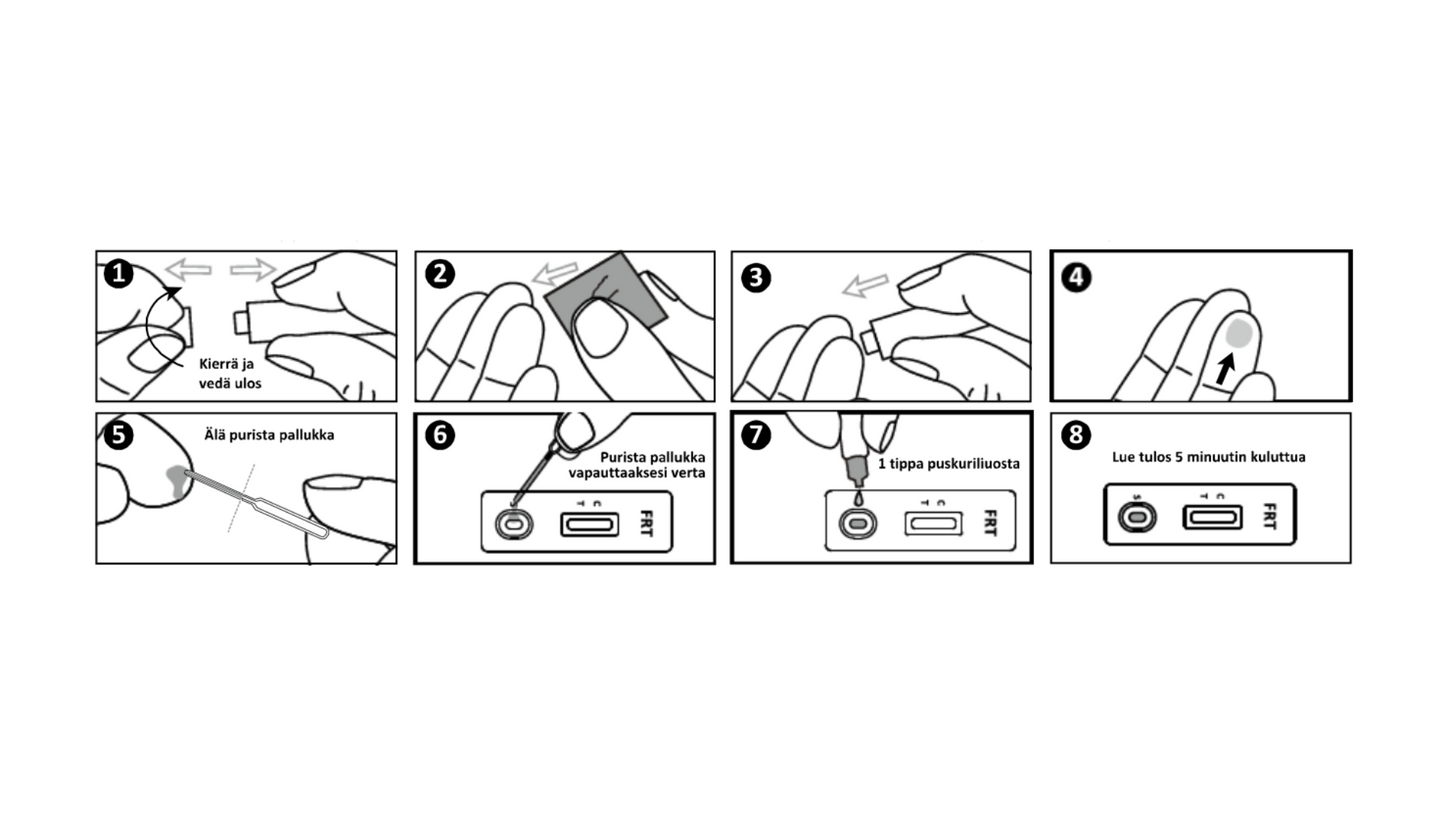
Ferritin is a protein that regulates iron stores, and measuring it can provide valuable information about our health. While ferritin level testing may not be the first thing that comes to mind in routine healthcare, regular monitoring can be extremely beneficial. You can easily test your own ferritin levels with a reliable home test. In this blog post, we will examine why regularly testing ferritin levels makes sense.
Maintaining Iron Balance
Iron is a vital nutrient that affects our body's functions in many ways. It is essential, for example, for the formation of red blood cells and the transport of oxygen in the body. Ferritin helps regulate the storage and release of iron as needed. Regular ferritin level testing helps ensure that iron balance remains optimal.
Anemia Prevention
If ferritin levels drop too low, it can lead to anemia. Anemia is a condition where the number of red blood cells in the blood decreases, which can cause fatigue, weakness, and other symptoms. Regular monitoring of ferritin levels with a home test helps identify iron deficiency at an early stage, allowing treatment to begin before more severe symptoms develop.
Detecting Excess Iron
Too much iron in the body can be as harmful as too little. Excess iron can accumulate in the body over time, which can damage organs and tissues. Ferritin level testing can help detect if there is too much iron in the body and, if necessary, take measures to reduce it.
Optimizing Diet and Lifestyle
Ferritin level testing can also help identify potential needs for changes in diet and lifestyle. If ferritin levels are low, a doctor may recommend adding iron-rich foods to the diet or taking iron supplements. On the other hand, if ferritin levels are too high, it may be necessary to reduce iron intake from food or through blood donation.
Preventing Potential Health Problems
Regular ferritin level testing can help detect potential health problems before they become serious. For example, elevated ferritin levels can be a sign of diseases such as hemochromatosis or inflammatory conditions. Early detection and treatment can prevent these problems from worsening.
Needs of Special Groups
Some people are at greater risk of iron deficiency or excess than others. For example, pregnant women, breastfeeding mothers, and people with certain chronic diseases may have specific iron needs. Regular monitoring of ferritin levels helps ensure that these needs are met.
In summary, testing ferritin levels regularly makes sense because it provides important information about iron balance in the body. This simple blood test can help prevent anemia, identify health problems at an early stage, and optimize diet and lifestyle. Ferritin levels are easy to test at home using a home test available in our online store. Ferritin levels can also be measured at a doctor's office. If you have not yet discussed ferritin level testing with your doctor, consider incorporating it into your healthcare routine.
It can be the key to a healthier and more balanced life.
---
The content of this publication is purely informative. It can in no way assist or replace a doctor's diagnoses, treatments, or recommendations. In case of concern, consult a trusted professional and ask for consent before initiating any procedure.